
Speed Reading For Education

7 Speed Reading EDU is the world's most advanced accelerated reading system for schools. Based on proven principles of faster reading, 7 Speed Reading EDU contains all the features of 7 Speed Reading plus:

The next step is to see 7 Speed Reading for yourself. Simply fill out the form and we'll send you a free no obligation trial of the full version of 7 Speed Reading EDU.

speedreadingtechniques.org

On the pro side it has easy-to-use interface, video tutorials, multiple user accounts, well-structured course system for beginners & advanced students plus the ability to exercise with any digital text.

Elbert Zeigler

"I found 7 Speed reading. Doing eye exercises, warm-ups before reading, and how to look at words in groups instead of one at a time improved my reading and comprehension. I recommend 7 Speed Reading for you."

courselounge.com

7 Speed Reading is a decent speed reading software with an innovative approach. The customizable features are quite appealing since it allows you organize your speed reading training effectively.

Daniel Walters

"I have always struggled with reading slowly. Once I started using 7 Speed Reading, I did notice an improvement from approx. 200 wpm to 300 wpm."

winningspirit.com

If you want to learn how to speed read so that you can read everything faster, your best option is to get the self-paced speed reading course called 7 Speed Reading. It is designed to be the world’s most powerful speed-reading training program.

bestadvisor.com

From learning how to read and comprehend faster to how to keep your eyes healthy, everything is covered in this course for almost any age, and a team of professionals will help you master it.

Stephen L. (Reviewer)

I liked the accessibility of it. It helps, because users are able to easily maneuver throughout the software to varying levels and practice their reading at varying speeds.

Devad Goud

After having used this software, I learned techniques and skills such as eliminating my subvocalization, which not only greatly enhanced my speed reading, but also allowed me to get more engagement in what I read.

Reinard Mortlock

The biggest problem I had was sub-vocalization, 7 Speed Reading helped a lot with techniques to improve this and substantially improve my reading speed. The application is easy to use with loads of books to read to improve your reading skills.

Adel Serag

When I seriously exercise using the app, in no time, my reading speed goes from less than 400 to 600 and my target is 900 plus.

Nik Roglich

The pace trainer is great for getting my eyes focused and sharp. Also the word search exercise is very important, gets me searching for specific text.

Jose Godinez

I have improved my speed reading and comprehension since I started using 7 Speed Reading, I enjoy using it and I will continue to use it in the future.

Principal Paul Carroll of St. Clare’s College Showcased Their Tradition: Providing Life, Leadership and Learning Opportunities to Students


Principal Paul Carroll


Canberra girls’ school St. Clare’s College will be celebrating 50 years of quality education in 2015. Principal Paul Carroll joined the school’s roster of dedicated professionals in 2012, continuing their tradition of providing students with the life, leadership, and learning opportunities that will help them become confident and contributing members of their communities.

7SR: You encourage your teachers to continue their own professional development, giving their educational needs the same attention as the students’ needs. Do the students see this process, and learn to recognize the importance of lifelong learning?

Yes the students are very aware of the process. When a staff member is away on professional development a relief teacher is employed for their normal class so they are reminded immediately that the teacher is on professional development. Teaching programs and classroom activities are often adjusted as  a result of the PD. Our focus over the last eighteen months has been on “Visible Learning”, the research by John Hattie and part of the process is to involve students in requesting feedback on how learning is occurring in the classroom. This data has been invaluable in having the dialogue amongst the teaching staff on what quality teaching and learning looks like in the classroom. There are lists of students displayed in the College who are undergoing alternative programs, such as an Australian School Based Apprenticeships, as well as those previous students who have accepted University pathways or have undertaken post school opportunities. Some of these students return to school to speak to the current students about options beyond school.

7SR: Approximately 25% of the people living in Canberra were not born in Australia, and there are many immigrants from Vietnam and China. Are all of your new students fluent English speakers when they arrive on their first day of class?

There is a very small minority that arrive without being fluent English speakers. Depending on their circumstances they might attend an intensive language program at the Language School,  participate in specialised language classes provided by community organisations or benefit from the support given by the College.

7SR: While all students get a thorough education in core areas like mathematics, science, and English literacy, there is also a strong emphasis on what some educators regard as “soft” subjects like visual arts, music, and drama. What do students gain from these classes?

I do not agree with the label “soft” applied to the subjects in creative and practical arts. Educators are well aware of the need to cater for multiple intelligences.  All of the subjects across the curriculum complement each other and provide the opportunity for the students to experience many facets of learning that will develop their potential and enhance their gifts and talents.

7SR: Your school’s motto is “Seek Wisdom.” What does this motto mean to you personally?

“Seek Wisdom” is a timeless pursuit that encourages us to be open to the acquisition of an enlightened mind. As teachers we strive to bring knowledge and truth to the students and we present this through the life and teachings of Jesus and inspired by the example of St Clare. The students are encouraged and supported in making wise decisions as they grow to maturity and prepare to take their place in society.

7SR: You’ve got quite a few events planned for next year’s celebration of the school’s 50th anniversary. What are some of your ideas for making sure that the school enjoys the same success in the next 50 years?

The main focus will be to ensure the College remains relevant, vibrant and contemporary in providing the best possible education to the students that join the community. The College must maintain an authentic Catholic identity that is welcoming, open to all and witnessing to teachings of Jesus. There will be a continuing emphasis and commitment to ensuring quality teaching and learning experiences are made available for the students with a special emphasis on girls’ education. Extra-curricular activities will be supported to complement the students’ classroom learning and the governance of the College focusing on the aim to maintain and upgrade the facilities as funds become available.

Cross-posted on the Ultimate Vocabulary blog.


Have something to add to this story? Share it in the comments
Speed Read Articles To Maximize Your Time For Learning


The Internet can easily become a vast black hole that sucks up all our productivity. It turns into a place where our will for learning, discovering, and satisfying our curiosity all get lost by the torrent of cute cats and dog GIFs, social media newsfeeds, “fail” pranks, and celebrity selfies.

Among all these entertainment-focused activities, however, you can still use the internet to improve your knowledge – and even learn new skills.

You’ll need to change your habits, though. Don’t automatically head over to Facebook; your life won’t get any better. Another scroll down Instagram is essentially another minute wasted. Instead, speed read articles and see how much more confident and productive you will feel in the end.

Languages

Language services like translation and localization are exponentially growing as more content is created online and has to reach new markets across the world. This is the perfect excuse for learning a new language or brushing up the French that you haven’t used since elementary school.

Sites like DUOlingo and BBC language help you get into a new language in a non-stressful manner. There are several language apps you can play on your smartphone and learn new words and phrases, a productive alternative to playing Candy Crush just one more time. First speed read the instructions for using the website or app, and then take all the time you need to practice your oral and written language skills.

Facts, and more facts

Whether you’re a fact hoarder or not, Factsie is a great website for learning exciting new facts about the strangest living species in the world, odd world records, and extraordinary customs and food delicacies.

Mental Floss and Today I Found Out are two other websites worth speed reading. You will get to learn about things like the Dancing Plague of 1518, and whether penguins have knees.

Lifehacker

It’s a site we’ve all visited at one point: a vast database of helpful articles that touch upon virtually every aspect of life, whether that’s personal, professional, digital, or imaginary! From finding and avoiding hidden airline fees to how to use the Socratic method to win arguments and negotiations, Lifehacker is the speed-read site you need to improve every major aspect of your life.

Quora

There’s always that space of time in the week when you are bored to death, and you just want to hang out all by yourself, with no Facebook, no friends over, no family – just you.

That’s a super appropriate time for learning new things. Hop over to Quora and read what people say to explain something or ask a pressing question you’ve always had, like “When turtles lose their shell are they considered naked or homeless?”


Have something to add to this story? Share it in the comments
Why 7 Speed Reading Made TopTenReviews.com


Here at TopTenReviews we gave 7 Speed Reading an impressive score of 9.95 out of 10 in our review of the best speed reading software. The review praised the comprehensive lessons, as well as the large selection of classic and current eBooks that learners can use to practice their new speed reading skills. After reviewing the top 10 speed reading software on the market, we have come to the conclusion that 7 Speed Reading is the best of the best when it comes to speed reading software.

Comprehensive Guided Lessons

One of the most impressive things about 7 Speed Reading is the 15 core training activities that help readers to increase not only their speed, but also their comprehension. Speed reading is a valuable skill for people in a wide range of careers, but many people are held back by habits such as going back to reread sections of text and sub vocalization, which is when a reader pronounces words inside their head while reading them. These habits are unnecessary for complete comprehension. The exercises offered by 7 Speed Reading help readers to break these habits and develop new techniques for reading both quickly and accurately.

Step-By-Step Progress

As noted in the review, 7 Speed Reading uses a step-by-step process to help users steadily make progress in developing their speed reading skills. There are 10 levels, with a test at the end of each level to allow users to evaluate their progress. The step-by-step approach makes the learning process very clear and methodical, although learners can choose to take exercises individually if they prefer. Reports show how each user is progressing and how close they are to meeting their own goals. Each user can set their own goals, such as attaining a particular words-per-minute rate of speed reading in order to help them stay motivated. There is no limit to the number of user accounts that can be set up, so a whole family or a classroom of pupils can use this speed reading software to develop their skills

Suitable for Older Kids and Adults

7 Speed Reading software is suitable for reading levels ranging from the third grade to advanced readers. The software isn’t necessarily designed to appeal to young children, so older users are likely to receive more benefit. However, it is possible to choose practice materials from the library that are suitable for particular age ranges. Users can also import their own texts to use for speed reading practice as well.

Huge Range of eBooks Included

Approximately 600 eBooks come with 7 Speed Reading, so there is no shortage of materials to use for practicing speed reading. The range of books is wide, including not only classic novels, but also biographies, business books, and popular titles from the self-help genre. Practicing speed reading by reading a wide range of different materials can help people to get used to using their skills in a variety of situations.

Technical Support

Thankfully, 7 Speed Reading is very easy to use. However, for those individuals who do have issues, help is close at hand. Users can get in touch with the manufacturer via email and expect a response within eight hours. Most questions can also be answered using the extensive user guides that come with the software.

Summary

TopTenReviews found that 7 Speed Reading is the best speed reading software available, thanks to its comprehensive, step-by-step approach to teaching speed reading, its unlimited number of user accounts and its large selection of books for practice reading. This software can help users to not only read faster, but also with greater levels of comprehension.


Have something to add to this story? Share it in the comments
7 Ways To Develop A Reading Habit


You know reading is good for you, but you can’t seem to concentrate on reading the book you’ve picked up from the library. You get a few pages in and then get distracted, and turn to the computer or your television. You end up dragging the book around for months, moving it from the coffee table to your bedside table to your briefcase, but you never seem to get around to actually reading it.

If you’re tired of this routine, there’s hope: reading is a habit you can develop and there are many ways you can turn into a bibliophile.

Make time for it

Unless you schedule reading time in your busy day, you may not be able to squeeze it anywhere between all of the other commitments and projects and tasks already crowding the calendar.

Even if you can only devote 15 minutes for reading— the time it takes you to commute to work— do put it in your schedule. By doing so you assign a sense of importance to it, and this will ensure that you treat reading with respect rather than ignoring it.

Book bags everywhere!

Add an extra item in your doorstep checklist; keys, phone, wallet, book. Carrying a book with you at all times is a great trick to start reading more habitually.

You will find that there are a lot of times where you can read a chapter or two, such as instead of staring at your computer screen or checking your email for the 15th time.

Make a reading list

Do a bit of research if you don’t know where to start or if your previous choices of authors have been uninspiring. Create a list with exciting books and stories – just don’t overdo it. Anything beyond 20 books for an entire year could be too overwhelming if you’re just getting started as a dedicated reader.

Know when to give up a book

Reading is meant to be an enjoyable, eye-opening experience. If you find yourself stressing out (or yawning!) over a difficult or boring book, do give it a try for a few more pages but give up if it ends up frustrating you.

Get excited about the book

To get into the habit of reading more you need to be excited about it in the first place. Read a review or two online to see what people are saying and raving about. If reviews are not your thing, try reading the first few pages of the content and the back-cover blurb to get an idea of the narrative.

This will make you look forward to reading the book by sparking your curiosity about “what happens next.” Just stay away from spoilers if you’re reading fiction!

Read to someone

A great way to get into reading more is to read to someone else: an elderly person or a shut-in, a friend’s child or your own son or daughter. Reading to others is a fascinating way to spread the bookworm craze. It will make the listener feel flattered and inspired, and as for you, you will have a reading assignment that helps you stick to your reading habit!


Have something to add to this story? Share it in the comments
Speed Read Books – And See How It Affects Your Life


Do you ever wonder how different your life would be if you could speed read? Speed reading is a modern-day superpower. Flying is overrated and there’s not much use in spider webbing on any ordinary day. However, speed reading will help you every day. It’s a skill that you’ll use forever once you learn it, and the more you use it the more you’ll understand its importance. Speed reading gives you the power of knowledge.

No one can deny the importance of reading in general, but speed reading offers a whole new level of benefits: it gives you what conventional reading does, only in larger doses.

Speed reading has the power to:

  1. Give you information and facts that can guide your future actions and inform them with wisdom and intuitiveness. The experiences you live through the characters in the books you read provide you with insights that you may not get in your daily life.

  2. Nurture your empathy like no other hobby can.  The silent, listening aspect reading calls for makes it possible for you  to practice your ability to connect with someone, to hear them out, and to have a rational conversation with them, even if you disagree.

  3. Improve your self-discipline by helping you focus. Speed reading requires focus to be effective so by speed reading not only do you learn interesting things, but you also become more self-disciplined. It takes a lot of practice to be able to completely focus on speed reading, shutting off any distraction no matter how irresistible it might be.

  4. Change your life through the books you read. A book is capable of changing your mindset, helping you revise your values and priorities and even offering clarity and solutions when you need them.

  5. Be your one true companion. A good book is always patiently waiting for you to revisit it, to explore new aspects previously gone unnoticed, to fall in love with a misunderstood underdog, or discover a radically outstanding world of new creatures, rules and beliefs. Speed reading gives you all these in larger doses!

  6. Give you a sense of belonging. In a way, reading a book allows you to create a virtual identity as a member of the author’s world. You connect with the author, the protagonist, the era, and the people that make up the community of characters in a book. That’s an experience that nurtures and strengthens your imagination as well as your empathy.

  7. Empower you more quickly than you imagined. You know that knowledge is power and the more you read, the stronger and more influential you become – in your family, your work place, the world.  Speed reading ensures you have all facts to get your point of view across with determination and conviction.

  8. Strengthen your cognitive muscles and improve your overall mental functioning. Speed reading is a demanding cognitive task, and when you practice it your memory becomes more agile, your learning capacity improves, and you prepare the ground for more cognitive stimuli to be accumulated.

Still not convinced why you should speed read more books?


Have something to add to this story? Share it in the comments
Comparing Paper-Based Reading With Its Digital Successor: Three Differentiating Factors


Does the brain process language differently when text is on paper than when it’s read on an e-reader? Is it a myth that when we read on computer screens we cannot be as focused on what we are reading, or does science prove otherwise?

Digital reading has become very popular for many reasons. Some people prefer digital books for practical reasons of portability and cost-effectiveness, others for ecological ones.

Millions of people have already integrated the two reading modes, or completely switched to digital reading. All of the trends reveal that the popularity of e-reading will keep growing – but the debate over which is best may never be resolved. Here’s a look at the three main factors that make digital and paper-based reading so different:

Digital reading requires different cognitive resources than paper-based reading.

When people read on paper their cognitive processes related to reading are complemented and reinforced by the tactile stimuli of the experience.

This physical component that the hard-copy book provides doesn’t exist when we read on computer screens and e-readers, a fact that explains why reading comprehension in digital-based reading is often significantly lower when compared to comprehension when reading print media.

This study published in the International Journal of Educational Research looked into how reading modality affects reading comprehension, and found that students reading on digital screens did worse than their counterparts reading on paper.
What seems to compromise reading comprehension during digital reading is an issue that is a part of the medium itself. It seems that the cognitively heavy task of navigation using an e-reader or computer (buttons, keys to push, even tactile screen scrolling) is something that has a high potential to distract the reader, and that distraction has a toll on reading comprehension.

A difference in portability and cost-effectiveness.

The paper book is still widely used and read around the world, and despite the markedly important growth of digital reading, printed books have their unrelenting fans. However, even die-hard fans of print books admit the perks of the digital book: it’s green, it’s portable, and it’s significantly cheaper.

Reading on screen means less tree pulp wasted, and more and cheaper books easily carried around. These three attributes of the digital book obviously promote increased reading. If people can carry several books with them, they’re more likely to read while commuting to work rather than playing Angry Birds.

Book reading and the sense of control.

Digital reading is fluid and open-ended, but this means at times it’s hard to manage, both cognitively and physically. On the other hand, a paper book gives the reader increased control over the reading process.

A pdf file or an e-book gives you no tactile power whatsoever. You need to repeatedly click on the keys or scroll, scroll, and scroll again to find a paragraph you’ve missed or to re-read a passage you loved. All of that takes time, and leads to a loss in concentration and interest.

When reading paper-based content , though, you the reader are in charge. You flick through pages easily and re-reading a favorite passage is tied to the physicality of the activity of turning those pages, giving a sense of great control over what’s being read and ultimately understood.

Superficial reading and its aftereffects.

What’s more, this lack of physicality with digital reading – and of course the sheer volume of digital content available – makes digital readers more inclined to be “skim and scan” readers. People don’t pay attention to digital copy the way they do with paper-based text. Digital reading prompts careless, hurried reading, because the modality is much more difficult to keep focused on – ads pop up, social networks notifications distract you, and so on.

Researchers are keen to understand how reading modality affects reading efficiency. Preliminary findings suggest that the two are very different cognitive processes, with a different set of requirements in place.

Whether one is better than the other is of little importance. What’s important to understand in this debate is that the two are distinctively different, and for their enthusiasts, each one is the best.


Have something to add to this story? Share it in the comments
7 Best Running Books To Motivate You To Run and Stay Fit


Running is exhilarating. Addictive, even. But to first-timers it can be anything from a nuisance to plain torture. Running beginners who wish to learn all there is to know about running can read books written about this sport and hobby, one that’s so popular there are millions of enthusiasts getting up for a run even in the middle of the night. Keep reading to find out more about eReflect’s list of must-read running books to keep you motivated to stick to this health-boosting habit.

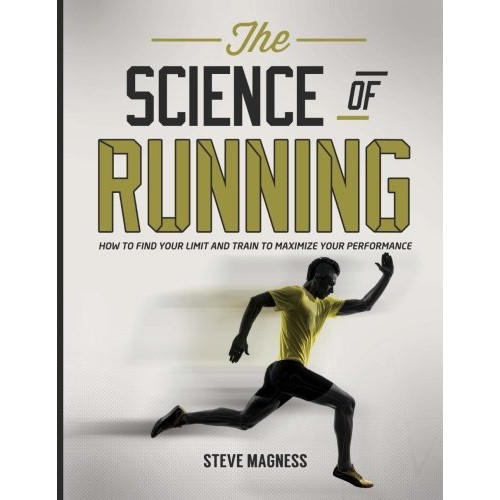
“The Science of Running: How to find your limit and train to maximize your performance” by Steve Magness

A runner’s book with overwhelmingly positive reviews online. The Science of Running is a no-nonsense, research-grounded book by elite coach Steve Magness.

The book explains how each person can achieve their maximum performance and how understanding your own body’s limitations and potential can fine-tune your training. The book reads well in that it perfectly combines science with practical advice.

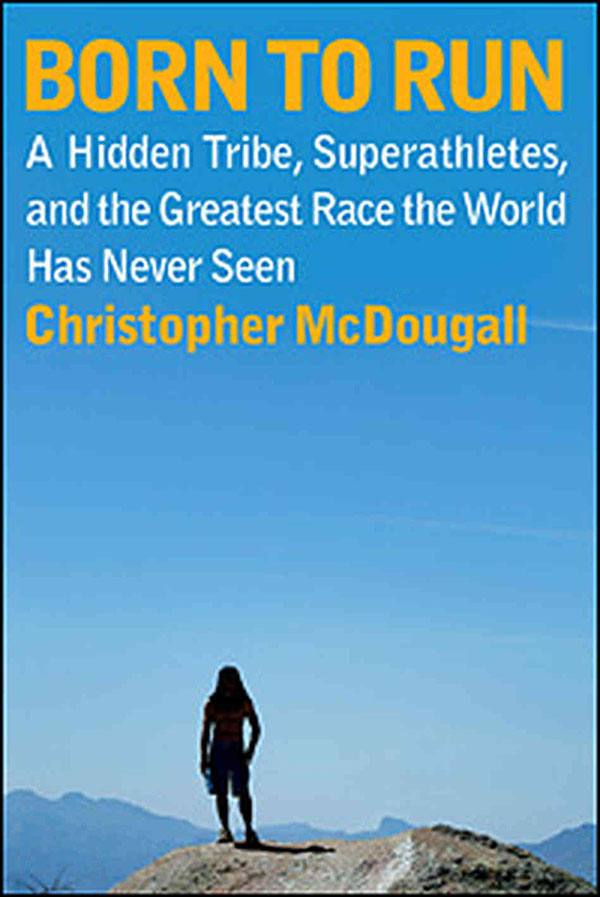
“Born to Run” by Christopher McDougal

An exhilarating read by best-selling author Christopher McDougal, Born To Run’s argument is that running is not really a passion or a desire people have, it’s a necessity that dates back thousands of years. Running is a quintessential human attribute and function, one that McDougal argues is partly what makes us human.

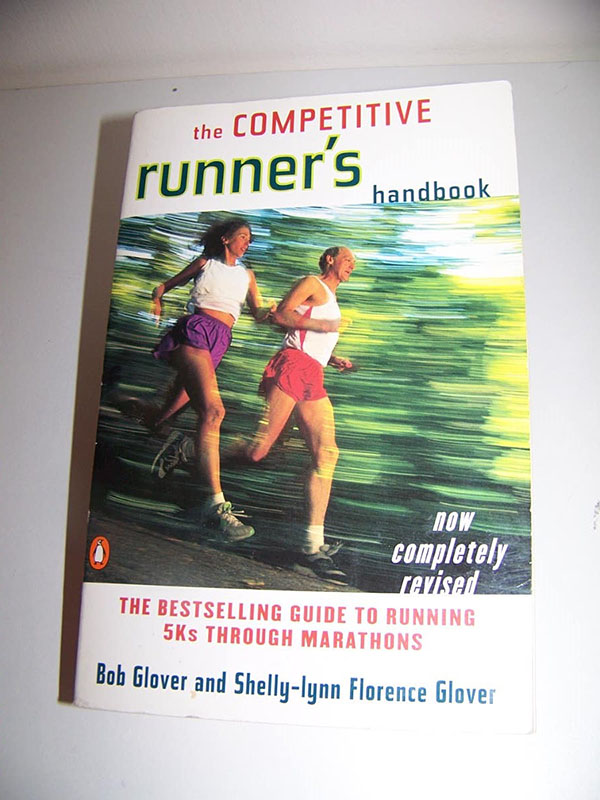
“The Competitive Runner’s Handbook” by Bob Glover and Shelly-Lynn F. Glover

Created by expert runners Glover and F. Glover, this handbook is exactly that: a book that shows you how to become a competitive runner in anything from a 5K race to a marathon.

The book provides practical advice on how to create workouts and increase cardio endurance and offers handy tips and spreadsheets for designing tailored running schedules.

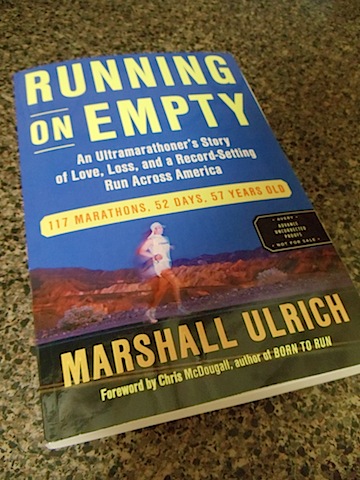
“Running On Empty: An Ultramarathoner’s Story of Love, Loss, and a Record-Setting Run Across America” by Marshal Ulrich

A book devoted to the runner’s psyche and endless reservoir of human willpower. This is a book that celebrates the overwhelming power of ultra-runners, a special tribe of people who despite all odds and despite their body wanting to let go, stubbornly continue to put one foot ahead of the other, carrying on.

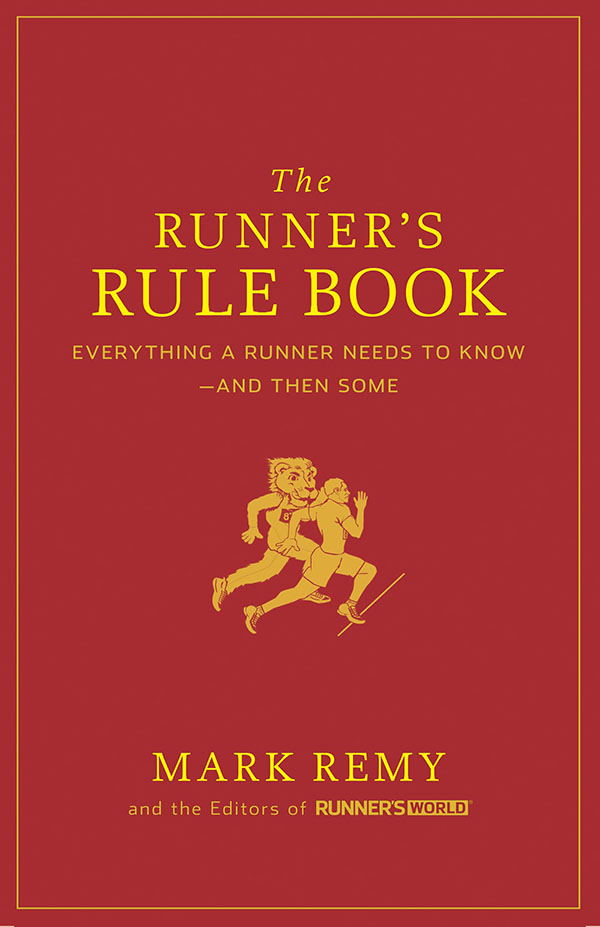
“The Runner’s Rule Book – Everything a Runner Needs to Know and then Some” by the Editors of Runner’s World and Mark Remy

This book with over 100 running rules is a fine collection of the underlying philosophies as well as the physical aspects that permeate running. A perfect gift for the unitiated or a friend who got it all wrong.

The book oscillates between tongue-in-cheek rules to more life-saving ones. The book offers practical wisdom that can make the running realm much more well-functioning and rewarding for all.

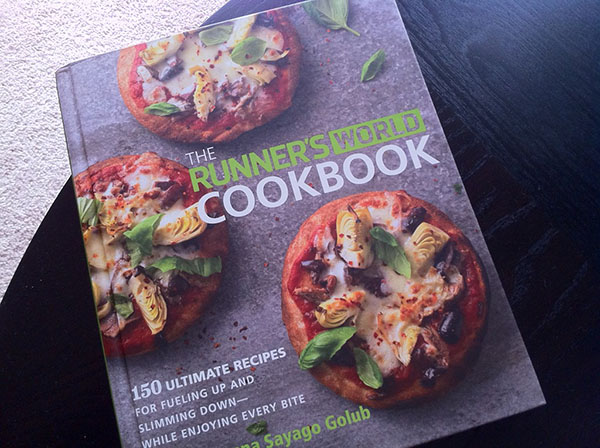
“The Runner’s World Cookbook” by Joanna Sayago Golub and Deena Kastor

A book showing the deep interrelatedness of food and running performance. Golub and Kastor have put together a collection of recipes that are easy and delicious and, most importantly, boost the runner’s performance.

With 150 easy and quick to prepare recipes, the cookbook is a must-have in every runner’s kitchen!

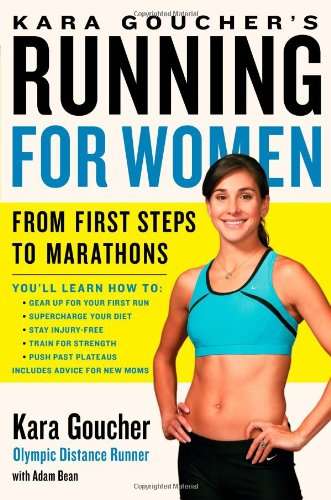
“Running for Women” by Kara Goucher

What’s so important about gender that a book has to be dedicated to women’s running?

As professional runner Kara Goucher reveals, a lot. This book is a complete collection of running tips and nutrition advice, as well as other important women-related issues like how women can run during and after a pregnancy and the best ways to incorporate running in a woman’s life and not disturb its balances.

Reading one or some of these running books will help you understand your body better, learn more about the art and science of running, and find out how the two can be put together to help you become a competent, fulfilled runner.


Have something to add to this story? Share it in the comments
7 Best Running Books To Motivate You To Run and Stay Fit

The Magic Of Failure: How It Builds Character For Success


Success is possible only through failure. That might seem counter intuitive, but the lessons learned from failure are valuable. Unless you fail at something at least once, you’ll never gain the insights and build the character essential for long-lasting success.

Failure is magic. It gives you the clues and ideas you need on how to get better. Let me explain the ways.

Re-evaluating your approach and your plan

Failure indicates what works and what needs revising. A failure is nothing but a red flag indicating that your approach is flawed.

The result? You re-evaluate and adjust your plan and avoid bigger losses later on!

Sprucing up your strategy and your skills

Failing is often a tell-tale sign of a weakness, lack, or misunderstanding. Don’t reject or overlook mistakes. Don’t blame others for them, either.

Instead, see how you can prevent similar small defeats by taking a workshop or online course. Sharpening your skills and acquiring new knowledge will help you do things better next time around!

Failure is empowering

When you say “I’ll try again” right after you confront the fact of a failure, you’re empowering yourself. You are, at that very moment, acknowledging your accountability for the situation and immediately taking measures to reverse direction.

This necessitates tremendous amounts of courage and perseverance — attributes that successful people are notorious for.

Failure reminds you nothing is final

Our lives, our projects, our relationships are all works in progress. Many people make the mistake of seeing their decisions as make or break deals. They’re not. Decisions are valid until they’re revised according to the new circumstances you’re faced with.

A plan taking an unexpected turning is not necessarily a failure, it’s a reminder that things change constantly and you often need to adjust your course of action!

Life uses mistakes and failures to remind you that decisions are never absolute. With time, this makes you a more understanding, flexible and resourceful person. Again, these are essential qualities for becoming successful in the long term.

What would you be doing now if everything you were doing was a success from the first time you took a shot at it? You’d be unprepared for change, unable to cope with the inevitable failure of one of your projects, and unwilling to improve or change yourself to meet new situations.

Failure keeps you alert, failure makes you successful!


Have something to add to this story? Share it in the comments

“The Nevils” Praise Top Noted ‘Cli Fi’ Novels of 2014 (Guest Post)


Dan Bloom


“I’m thrilled to tell you that my new cli fi novel ‘In Ark: A Promise of Survival’ has been selected for the 2014 list of ‘The Nevils’, (Noted Cli-Fi Novels Of The Year),” writes Lisa Devaney in London. “This award honours new cli-fi (climate change fiction) authors and books each year.”

“The list was created by climate activist and literary theorist Danny Bloom, who coined the phrase ‘cli-fi’ and is devoted to making the literary genre a worldwide success,” Devaney added. “I am listed among some amazing writers and books, and so it is a great honour for me to be included.”

”The Nevils” are named after Nevil Shute, for his famous novel “On The Beach” — first published in 1957 and warning the world about the dangers of nuclear war and nuclear winter. Bloom says he came up with the idea for ”The Nevils”, naming them after Mr Shute, and hoping to inspire a writer to create one day create that will do for climate change what the British-Australian writer did for nuclear war — make people give a damn, make people do something about it and make people wake up to the call of a dangerous threat.

Still, climate deniers rage on against the realities and truth that climate change will happen, and still people are not taking enough action to stop global warming and the destruction of the environment of Earth. The disrespect, denial and constant destruction of nature with activities like ‘fracking’ will be the end of our planet. Maybe these Nevils, these cli-fi books, these ideas, these writers and the hard work and effort of the organizers to create and promote the genre of cli-fi, will help the situation. Let’s hope so.

Among cli fi authors honored this year are Gregory Ziegler in America, Claude Nougat in Italy, Hamish MacDonald in Scotland, Mindy McGinnis in America, Emmi Itaranti in Finland, Lloyd Jones in Wales, Kate Kelly in the UK, Kat Ross in New York, Joshua David Bellin in America, and Antti Tuoamenin in Finland.

To see the entire list of noted cli fi novels of 2014 — “The Nevils” — click on this blog:
http://korgw101.blogspot.com


Have something to add to this story? Share it in the comments

Paper vs Monitor: How Technology Is Rapidly Changing The Way We Read


The Internet revolutionized reading in the 21st century, something everybody realizes now. The numbers alone speak volumes: 11 years ago about 22% of Americans chose the Internet to get their news, but in 2013, that number had risen to 39%. The statistics are revealing, and attest to the fact that e-books, news, entertainment, and communication are all taking place online.

Online, tech-based reading is on the rise

According to Kathryn Zickuhr, Internet researcher at the Pew Research Center, 55% of Americans own a smartphone and 24% an e-reader.

E-reading is a trend that continues to grow. In 2011, only 16% of the American participants in the Pew study read an ebook, but in 2012 that number rose to 23%. Print book reading dropped from 72% to 67% from 2011 to 2012. Again, there’s a strong but gradual tendency to read more ebooks than paper ones.

Rituals that are intimacy-based favor print book reading

While traditional reading rituals like reading with a child or with another person are still mostly likely to be done with print books, participants in the study who commuted regularly confirmed that ebooks are their preferred medium for reading when travelling. Not only does an e-reader have the advantage of letting you keep a wider selection of books available, it allows you to access new books easily and quickly.

The future of libraries

Libraries are not dying, and many people still visit them. In fact, 73% of the people surveyed visit a library with the express purpose of borrowing books.

What’s been noticeably absent from libraries is the time spent in them. People generally no longer browse shelves as frequently. They find the books in the library’s website, reserve them on line, and go pick them up, a time-saving approach that librarians say is on the rise.

As the purpose of libraries shifts, their cultural role is becoming even stronger. People regard libraries as community spaces for ongoing cultural expression and communication. Lectures, cultural events, and meetings are all part of the many activities taking place at libraries today, giving them a role in peoples’ lives beyond studying and reading books.

Reader expectations changing

Online content is changing the expectations of readers. The print book is not going to be replaced any time soon, but libraries are already feeling the need to adjust to a more tech-based environment.

In fact, the survey illustrated that people are keen to use tech services like pre-loaded ebooks, or classes on how to use e-readers. Most modern libraries have online catalogs that let people borrow library-owned e-books, and even the smallest library is striving to offer more automated and online services to the public.

As we move into a digital era of content dissemination, the need for libraries and other cultural institutions to keep up with technology will not decrease. Libraries that stubbornly refuse to offer online facilities like ebook borrowing, free access to databases, and digitized books will run the risk of being neglected and forgotten. Technology is changing the reading expectations of modern readers, and society – and its libraries – has to respond accordingly and promptly.


Have something to add to this story? Share it in the comments